The food industry plays a vital role in our lives, providing the food that is essential for the nutrition and well-being of the world's population.
What is the food industry?
The food industry is responsible for the production, processing, distribution and marketing of food. This industry includes a wide range of activities related to the preparation and supply of food, from agriculture and animal husbandry to the manufacture of processed food products and their subsequent distribution to retailers and consumers.
Activities within the food industry can range from the production of raw materials, such as agricultural crops and livestock, to the manufacture of processed foods, canned foods, frozen foods, dairy products, beverages, bakery products, confectionery, and much more. In addition, this industry also encompasses the logistics and supply chain that enable food to reach consumer markets efficiently and safely.
The food industry is highly regulated in many countries to ensure food safety, product quality and consumer protection.
Technological advances and consumer trends have led to a constant evolution in the industry, with an increasing focus on product innovation, sustainability, health and wellness, among other aspects.
Characteristics of the food industry
The food industry has several distinctive characteristics that make it unique compared to other economic sectors. Some of the most salient characteristics of the food industry include:
- Diversity of products and sectors: the food industry produces a wide variety of foods, from fresh produce such as fruit, vegetables and meat to processed foods such as canned goods, frozen foods, bakery, confectionery, beverages and more.
- Food safety and quality: Food safety is a primary concern in this industry, as products must be safe for human consumption. And product quality is a key issue as consumers demand fresh and high quality products.
- Constant innovation: the food industry is constantly evolving to adapt to changing consumer trends. This includes product innovation, formulating healthier and more sustainable foods, and responding to market preferences.
- Government regulation: The food industry is subject to government regulations that vary from country to country. These regulations and standards cover aspects such as food safety, labelling, advertising and other product quality standards.
- Importance in the economy and society: the food industry is a key economic driver: it generates employment, drives investment, etc. In addition to its economic impact, the industry plays an essential role in people's well-being by providing the food necessary for a healthy and active life.

Sectors of the food industry
Agricultural industry
Agriculture is the starting point of the food industry. From growing cereals, fruit and vegetables to raising animals for meat, milk and eggs, agriculture supplies the food industry with a wide variety of products.
Fishing industry
The fishing industry is a fundamental component of the global economy and is engaged in the capture and farming of fish and shellfish for the purpose of supplying fish and fishery products nationally and internationally.
Baking industry
The bakery industry is engaged in the production of bakery products, such as bread, cakes, biscuits, pastries and a wide variety of baked goods. These products are an integral part of the daily diet of people around the world and have been appreciated for their taste, nutritional value and versatility for centuries.
Dairy industry
The dairy industry is engaged in the production, processing and marketing of dairy products. This industry plays an essential role in human nutrition and provides a wide variety of products that are valued for their nutritional value.
Cocoa industry
The cocoa industry is involved in the production and processing of cocoa, the key ingredient for the manufacture of chocolate and cocoa powder products.
Sugar industry
The sugar industry is engaged in the production, processing and marketing of sugar, one of the most widely used sweeteners worldwide. It is also used in the manufacture of non-food products, such as pharmaceuticals, cosmetics and industrial chemicals.
Animal feed industry
This industry plays a crucial role in food safety and public health, as it contributes to preventing diseases and ensuring the quality of food of animal origin such as meat, milk and eggs.
Water industry
The water industry is an essential sector that encompasses the extraction, purification, distribution and management of drinking water, as well as wastewater treatment. The industry plays a critical role in meeting one of humanity's basic needs: access to clean and safe water for drinking, hygiene and various industrial applications.
Oil industry
The oil industry is engaged in the production, processing and marketing of vegetable oils and edible oils. These oils play a vital role in human nutrition and health.

Benefits of the food industry
- Food security: The stringent food safety standards and regulations to which the food industry is subject contribute to the prevention of food-borne diseases and ensure that food is fit for consumption.
- Variety of food: the food industry offers a wide range of choices: from fresh and natural products to processed and prepared foods. This allows consumers to choose foods that suit their tastes, dietary needs and cultural preferences.
- Employment: the food industry is a significant source of employment worldwide. It involves farmers, fishers, food processors, distributors, retailers and hospitality workers, providing employment for a wide range of people in rural and urban communities.
- Comfort: the availability of processed and prepared foods offers convenience to people with busy lifestyles. Packaged, frozen or take-away foods allow people to save time in meal preparation.
- Exports and revenues: the food industry is an important economic driver in many countries, generating income through food exports.
Main challenges for the food industry
Sustainability
Sustainability has become a central concern for the food industry. Sustainability in the food industry involves the responsible management of natural resources, the reduction of the environmental footprint and the protection of ecosystems.
Safety in the food chain
Safety in the food chain is one of the most critical challenges facing the food industry today. Ensuring that food reaching consumers is safe to eat is essential to protect public health and consumer confidence.
Climate change and resource savings
Agriculture, which provides the raw material for the food industry, is a major source of greenhouse gas emissions and a key driver of deforestation and biodiversity loss. Industry needs to address the use of land, water and energy resources more efficiently.
Nutrition and health
The demand for healthier foods with less sugar, salt and saturated fat is on the rise, and has prompted the industry to reformulate products, reduce unwanted ingredients and provide transparent nutritional information to consumers.
Food waste
Food waste has negative impacts on the economy; on the environment through the loss of natural resources such as land, water and energy; and on food insecurity, as large amounts of food are wasted while millions of people in the world suffer from hunger and malnutrition.
Automation in the food industry
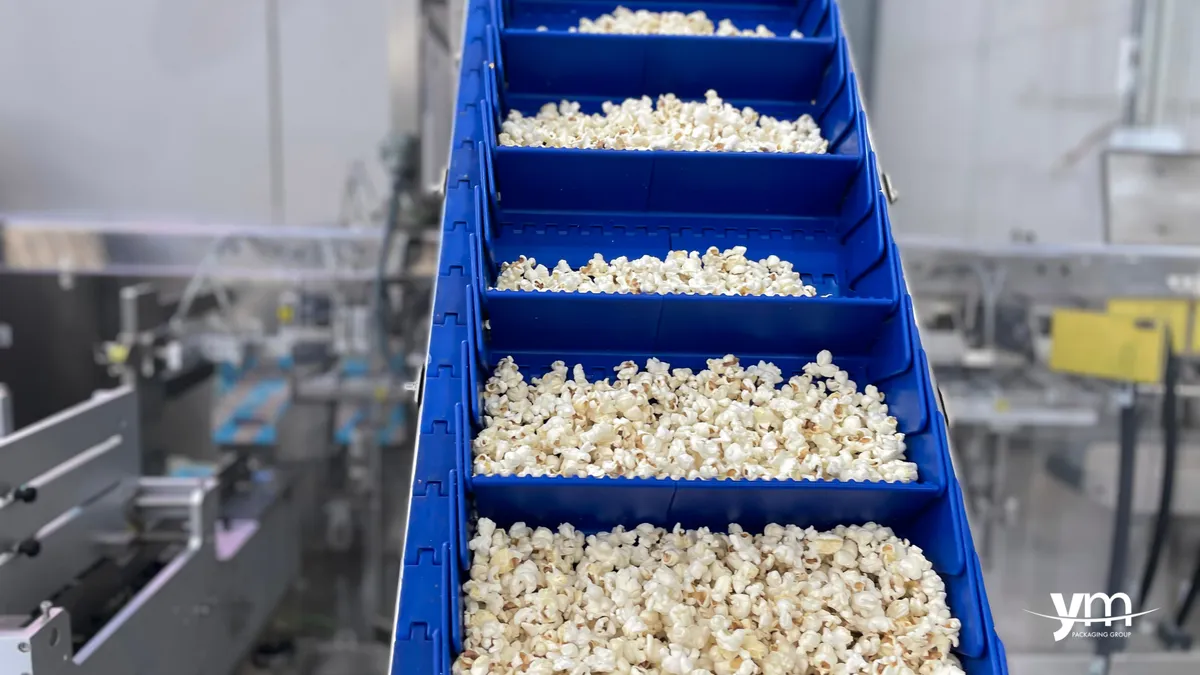
Industrial automation has proven to be a revolution that has brought with it a long list of benefits. These technological advances have radically transformed the way food is produced, processed and distributed.
The main advantage of automation in this industry is the improvement in efficiency and productivity. Automation enables faster and more efficient production, which reduces downtime and increases production capacity.
The quality and consistency of food products has improved considerably thanks to automation, as it ensures that products are produced uniformly and to precise standards. This helps avoid defects and reduces waste.
The food security has also seen significant improvements due to automation. Automated systems can continuously control and monitor production processes, ensuring that food meets the required safety standards.
In addition, automation in the food industry makes it easier to traceability. It facilitates supply chain traceability, which is essential for tracing the origin of ingredients and responding effectively in case of problems.
At YM Packaging we have become a reliable partner to the food industry, offering packaging solutions that guarantee the freshness, safety and quality of food.